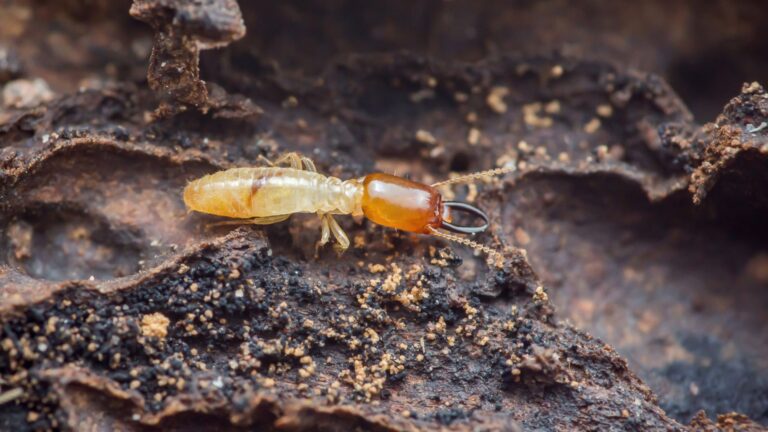
Greenville’s warm, humid climate makes it some of the best real estate in the Southeast for homeowners. It also makes it some of the best habitats in the country for termites. They don’t take winters off in Upstate South Carolina. And because they work from the inside out, most homeowners don’t realize anything is wrong until the damage has been building for months. The Palmetto State consistently ranks among the highest-risk states for termite activity, and Greenville County’s heat and humidity only add to that pressure. For Upstate homeowners, understanding the signs, how treatment actually works, and what real prevention looks like makes a genuine difference over time.
Signs of Termites in Your Home
Catching a termite problem early is the difference between a manageable treatment and a major repair bill. That’s not an exaggeration. Termites leave clues, but a lot of those clues get dismissed as normal wear or water damage before anyone thinks to look closer. That’s especially true in older homes, where some settling and surface wear is just expected.
What Termite Mud Tubes Tell You
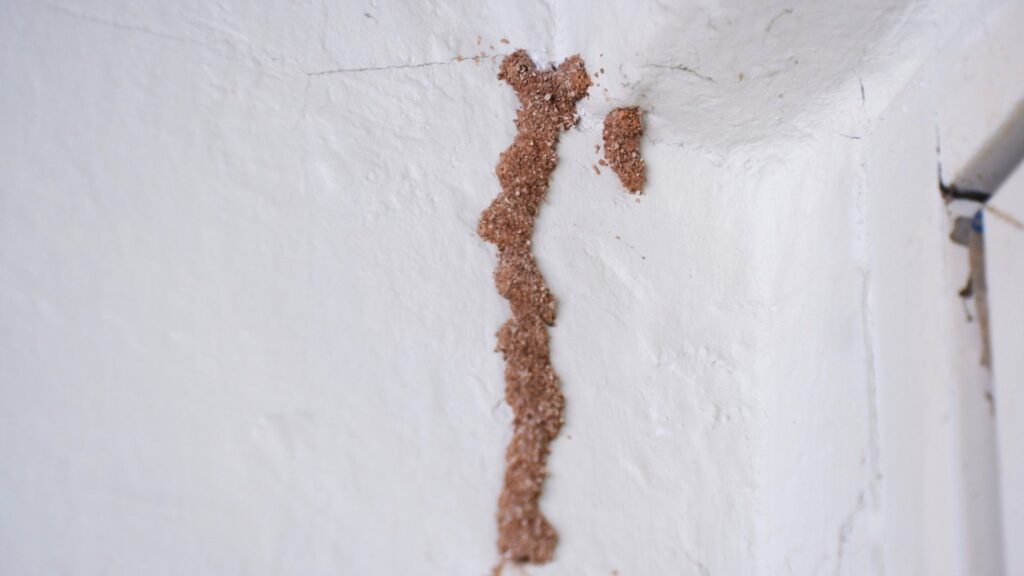
Finding a mud tube along a foundation pier or running up a crawl space wall is usually the moment homeowners in Greenville realize something has been going on for a while. These pencil-width tunnels are built from soil, wood particles, and termite saliva, and they serve as protected highways between the colony underground and the wood above. You’ll typically find them along foundation walls, crawl space piers, or floor joists. If you spot one, don’t assume the colony is dormant just because the tube looks dry or inactive. Termites often abandon and rebuild foraging routes as conditions change underground.
UF/IFAS Extension puts colony size anywhere from a few thousand to several million individuals, with foraging territory that can cover more than an acre of ground. That’s part of why a dry tube isn’t necessarily an abandoned one. Breaking it open to check for live termites gives you one data point. A professional inspection tells you whether you’re looking at an early-stage problem or something that’s been active for a season or two.
Other signs worth knowing:
- Hollow-sounding wood when you tap on structural beams or door frames
- Small piles of frass near baseboards that resemble fine sawdust or coffee grounds
- Blistering or bubbling paint on interior walls that can easily be mistaken for water damage
- Doors or windows that have become harder to open due to wood swelling from termite activity
In Greenville, any one of these is worth a call. This isn’t a region where termite activity pauses long enough to wait and see.
Termite Treatment Options That Work
Not every termite problem calls for the same solution. The right approach depends on where the infestation is located, how far it has spread, and the construction type of your home. We take time to assess each situation before recommending anything, because the goal isn’t just to address what’s visible today. It’s to make sure the underlying colony is dealt with so the problem doesn’t come back. We’ve worked on everything from small satellite colonies in crawl spaces to more established infestations in slab-built homes, and the treatment plan looks different each time.
Why Liquid Treatments Are Effective
Liquid termite treatments create a treated zone in the soil around and beneath a structure. The product gets picked up on contact. Non-repellent formulations have a key advantage here: termites can’t detect them, so there’s no avoidance behavior around the treated area right away. Workers move through it, pick up the product, and that’s what stops them from reaching the wood inside your home. The barrier is what’s doing the work, and when it’s applied correctly around the full perimeter, it’s an effective line of protection.
Why liquid treatments work:
- Non-repellent formulations are undetectable to termites, so workers don’t route around the treated zone
- A continuous perimeter barrier forms around the structure when the soil is treated correctly
- Protection at the structure level stops active foragers from reaching the wood inside
- Residual protection holds for an extended period in properly treated soil
We also offer termite baiting systems for situations where a liquid barrier isn’t the right fit. Every program we put together is built around your specific home, your property layout, and your situation.
Termite Prevention for Greenville Homes
Treatment takes care of an active problem. Prevention keeps one from starting. In Greenville’s climate, termite pressure doesn’t ease up the way it does in cooler parts of the country, which means prevention needs to be part of how you think about your home year-round, not just something you address after spotting a mud tube.
When to Call a Termite Inspector
The honest answer to when to call a termite inspection company near you is: before you think you need to. Most homeowners reach out after they’ve already noticed something, and that’s completely understandable. But scheduling a routine inspection before any visible signs appear gives us a chance to catch early activity and identify the conditions that make your property a target. Your crawl space plays a significant role here. Moisture is the main draw for them. A compromised vapor barrier amplifies it, and leftover construction debris gives them somewhere to start. When we inspect a crawl space in Greenville and find all three, we’re rarely surprised to find evidence of termite activity nearby. Our post on why your crawl space could attract termites covers this in detail, and it’s worth a read if your crawl space hasn’t been looked at recently.
A few prevention steps that make a real difference:
- Keep mulch and wood debris at least twelve inches away from your foundation
- Address leaks and drainage issues that allow moisture to collect near or under the structure
- Eliminate wood-to-soil contact wherever possible around your home’s perimeter
- Schedule regular termite inspections, especially if your home has a crawl space or slab foundation
If you’re buying or selling a home in the Greenville area, a Wood Infestation Report (also called a WDO Report, or a CL-100 in South Carolina) is required by law before a sale can close.. We provide same-day reports, which keeps the process moving for buyers and realtors working against a tight closing timeline.
Call Scout’s for Termite Control
Termite season in Greenville doesn’t wait for a convenient time, and the damage termites do doesn’t announce itself until it’s already been building for months. If you’ve spotted mud tubes, noticed soft spots in your floor, or just haven’t had a professional inspection in a few years, now’s a good time to call. You can learn more about our termite control programs, read up on how to identify subterranean termites before you call, or contact us directly at 1-864-469-4999. We serve homeowners across the Upstate, including:
- Anderson, SC
- Belton, SC
- Clemson, SC
- Duncan, SC
- Easley, SC
- Five Forks, SC
- Fountain Inn, SC
- Gray Court, SC
- Greenville, SC
- Greer, SC
- Iva, SC
- Laurens, SC
- Lyman, SC
- Mauldin, SC
- Oconee County, SC
- Pickens, SC
- Piedmont, SC
- Simpsonville, SC
- Six Mile, SC
- Spartanburg, SC
- Taylors, SC
- Townville, SC
- Travelers Rest, SC
- Williamston, SC
- Woodruff, SC